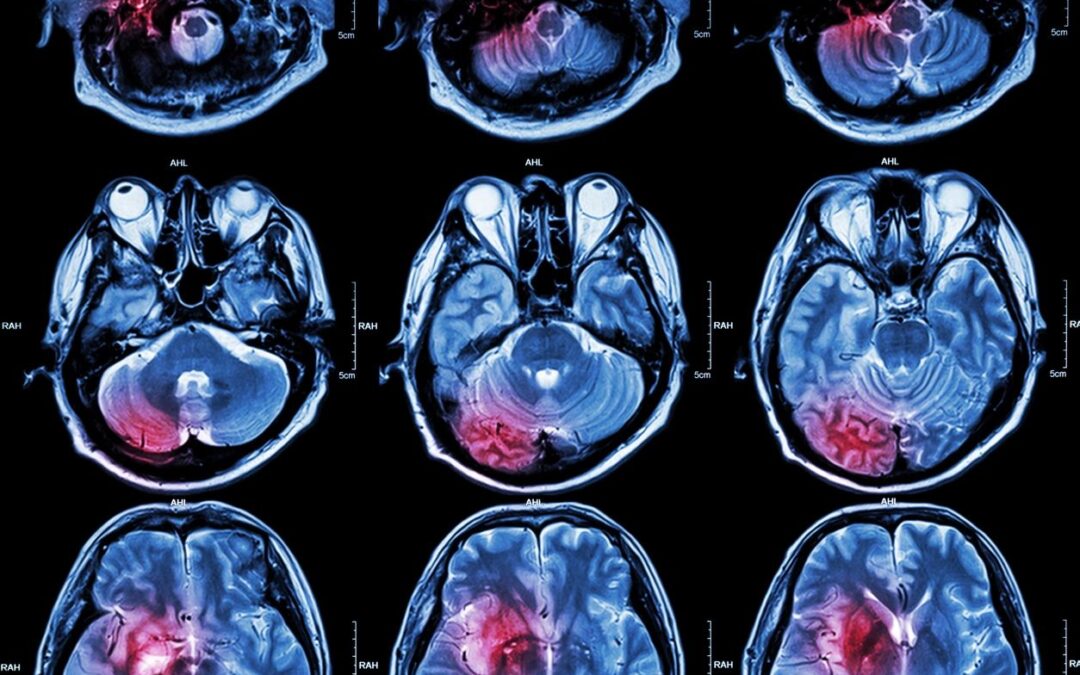

It is crucial to recognize the detrimental effects of achievement addiction.
Understanding the Dark Side of Success
The Reality of Achievement Addiction
While most people are familiar with addictions to alcohol, drugs, or gambling, a different kind of dependency often goes unnoticed in our competitive society. Specifically, have you ever heard of achievement addiction? In today’s fast-paced world, the pursuit of success is deeply ingrained in our daily lives. While striving for excellence is generally a positive trait, an unhealthy obsession with constant accomplishment can have detrimental effects. Consequently, this article explores the negative consequences of achievement addiction and highlights the vital importance of balance.
The Toll of Mental and Emotional Exhaustion
To begin with, achievement addiction often leads to a constant state of mental and emotional exhaustion. Because the relentless pursuit of success involves long hours and an intense fear of failure, individuals frequently push themselves to the brink. Over time, this pressure results in chronic stress and severe burnout. Furthermore, the incessant need to achieve can leave you feeling perpetually overwhelmed and anxious, making it nearly impossible to enjoy the present moment.
How Ambition Can Diminish Personal Relationships
In addition to mental strain, an intense focus on success often comes at the expense of meaningful relationships. Frequently, individuals prioritize external validation over spending quality time with loved ones, which leads to the neglect of personal connections. As a result, relationships suffer when self-worth is tied solely to professional accolades. Ultimately, this imbalance creates a sense of isolation and leaves individuals feeling emotionally unfulfilled despite their external wins.
The Risk of an Incomplete Self-Identity
Moreover, achievement addiction can significantly hinder the development of a healthy self-identity. When you define your worth only by promotions or material possessions, you risk losing touch with your authentic self. This obsession creates a perpetual cycle of chasing the next goal without ever stopping to celebrate personal growth. Consequently, individuals may stop exploring their true passions and values, becoming strangers to themselves in the process.
Severe Health Implications of Neglecting Self-Care
Equally important are the physical health implications that arise when self-care takes a backseat to ambition. When individuals are consumed by their drive, physical well-being is often the first thing to be sacrificed. For instance, a lack of sleep, poor eating habits, and chronic stress can lead to serious issues like heart disease and obesity. Ironically, neglecting your health in the name of success eventually compromises your ability to perform at your best in the long run.
The Trap of Unrealistic Perfectionism
Furthermore, achievement addiction is closely linked to perfectionism, a mindset that demands total flawlessness. Since perfectionists place unrealistic expectations on themselves, they are often trapped in a cycle of self-criticism and disappointment. This relentless pursuit of unattainable standards not only harms mental health but also stifles creativity. By fearing failure so intensely, individuals often impede their own innovation and personal evolution.
Finding Fulfillment Beyond External Validation
In conclusion, while ambition is a key part of professional growth, it is crucial to recognize the dangers of addiction to success. By balancing your goals with self-care and healthy relationships, you can lead a much more fulfilling life. Instead of focusing only on external validation, shifting toward internal satisfaction allows you to break free from this cycle. Ultimately, finding joy in the process and setting realistic goals helps cultivate a sense of purpose that lasts.
See also, “Achieve maximum results with ease and confidence.”
If you are looking for personalized support to help you walk this journey, I invite you to reach out for a complimentary coaching session, send a message, or call 732-616-6816.